
A Guide to Palawan Commercial Real Estate
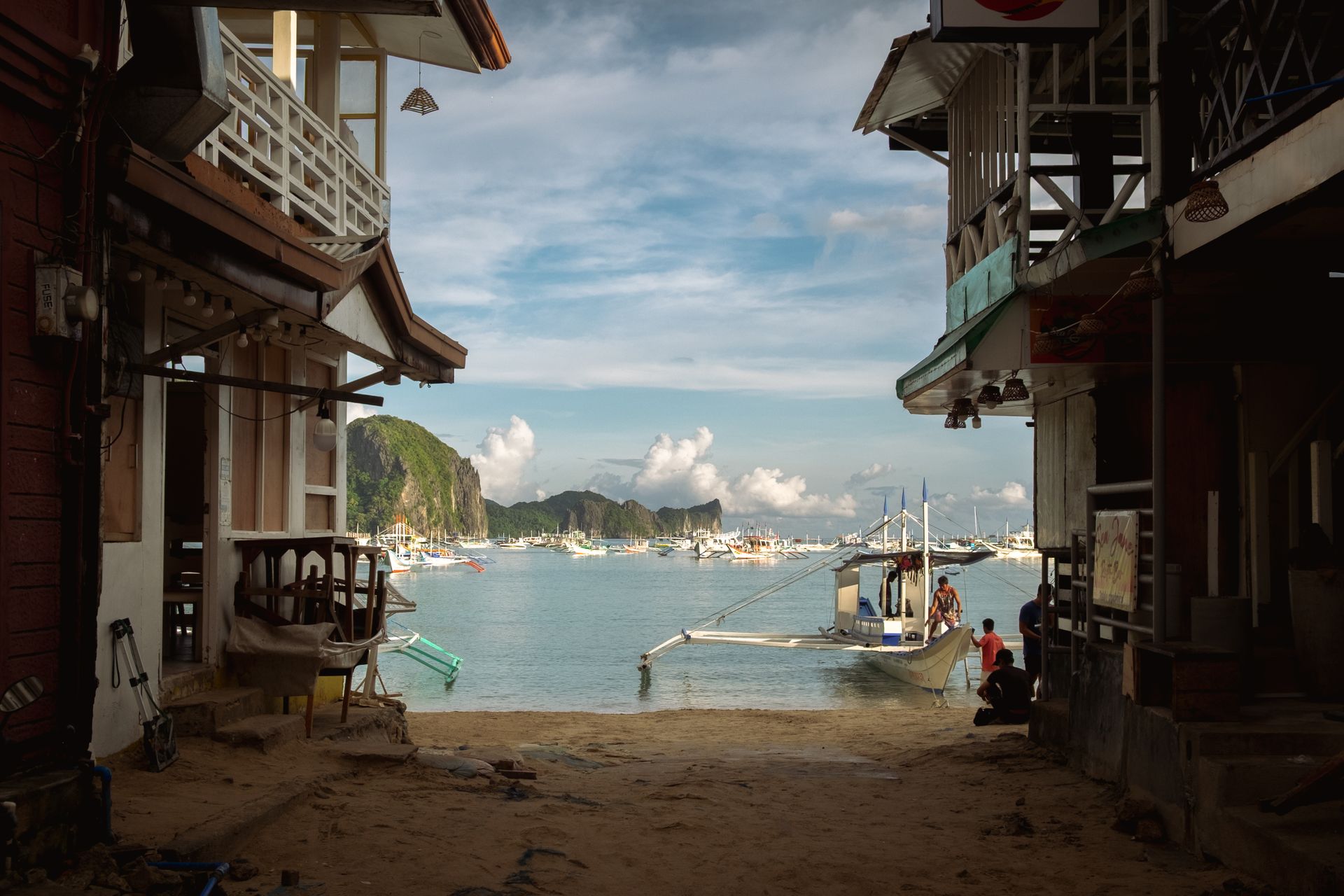
Palawan’s reputation as a world-class destination has never been more secure. Palawan is recently named one of Frommer’s “Best Places to Go” in 2026. The island is evolving from a seasonal getaway into a multi-faceted hub for luxury, cruise tourism, and events. The tourism landscape saw a slight shift in early 2026 due to regional airfare adjustments. However, the long-term trajectory is one of strategic growth and high-value diversification.
For the savvy investor, this “paradise boom” presents a prime opportunity. That opportunity is to move beyond simple vacation rentals and into the more lucrative world of commercial real estate. Here is how you can position yourself to capitalize on Palawan’s next chapter.
1. Identify the Emerging High-Value Segments
The nature of the Palawan traveler is changing. The arrival of luxury vessels, such as The Ritz-Carlton Yacht Collection, signals a shift toward high-spending international demographics that demand premium services. Investors should look beyond basic hospitality and consider:
- MICE-Ready Infrastructure: MICE stands for Meetings, Incentives, Conferences, and Exhibitions. Puerto Princesa hosts international delegates and corporate groups. As such, there is a growing need for boutique conference spaces and facilities that blend business-grade connectivity with island aesthetics.
- Cruise-Support Logistics: The rise of luxury cruise tourism creates a ripple effect, driving demand for upscale retail, dining, and shore-excursion hubs near primary port areas in Coron, El Nido, and Puerto Princesa.
- Dive & Eco-Adventure Hubs: With intensified marketing for dive safaris in the Calamianes and Coron, there is high demand for specialized facilities—from high-end dive shops to eco-conscious luxury lodges.
2. Strategic Location Selection
Location remains the ultimate driver of value, but in 2026, accessibility is the new watchword.
- Puerto Princesa: Remains the stable anchor for the MICE and corporate markets due to its established infrastructure and gateway status.

- Coron & El Nido: These hubs continue to command the highest premiums, particularly for properties that cater to the luxury traveler and repeat visitors.

- Balabac: Often cited as one of the province’s most exciting “rising” destinations, Balabac offers a “first-mover” advantage for those looking for exclusive, pristine coastal assets before full-scale commercialization takes hold.

3. Navigate the Investment Landscape with Due Diligence
Investing in a province as protected as Palawan requires a rigorous approach to sustainability and legality.
- Verify Ownership & Titles: Always engage local legal counsel to verify that land titles are clean and free of encumbrances. In the Philippines, foreign ownership of land is restricted; ensure you have a clear understanding of legal structures—such as long-term leaseholds or local corporate partnerships—before committing capital.
- Prioritize Infrastructure Integration: The most successful commercial properties in 2026 are those that integrate with the local community and infrastructure. Look for sites that offer reliable power, water, and proximity to the growing network of improved land-based transport routes connecting Puerto Princesa to El Nido.
- Adopt Sustainable Building Practices: Investors who prioritize eco-friendly, typhoon-resilient designs not only protect their assets against the elements but also align with the Department of Tourism’s commitment to sustainable, community-based tourism.
4. The Exit Strategy
Commercial real estate in a tourist haven is a long-term play. Whether your goal is capital appreciation through land value growth or steady cash flow from leasing to local operators, having a clear exit strategy is vital. As the government continues to privatize non-performing assets and invest in regional infrastructure, keep an eye on how these public projects might affect the liquidity of your specific property in the future.
Final Thoughts for the Investor
Palawan is no longer just a destination; it is a maturing commercial market. By aligning your investments with high-value segments like luxury cruise tourism and business conferences, you can move past the limitations of seasonal retail and build a portfolio that mirrors the island’s enduring appeal.
Are you looking to focus your investment strategy on a specific region in Palawan, or would you like to know more about the current legal considerations for commercial leaseholds?